
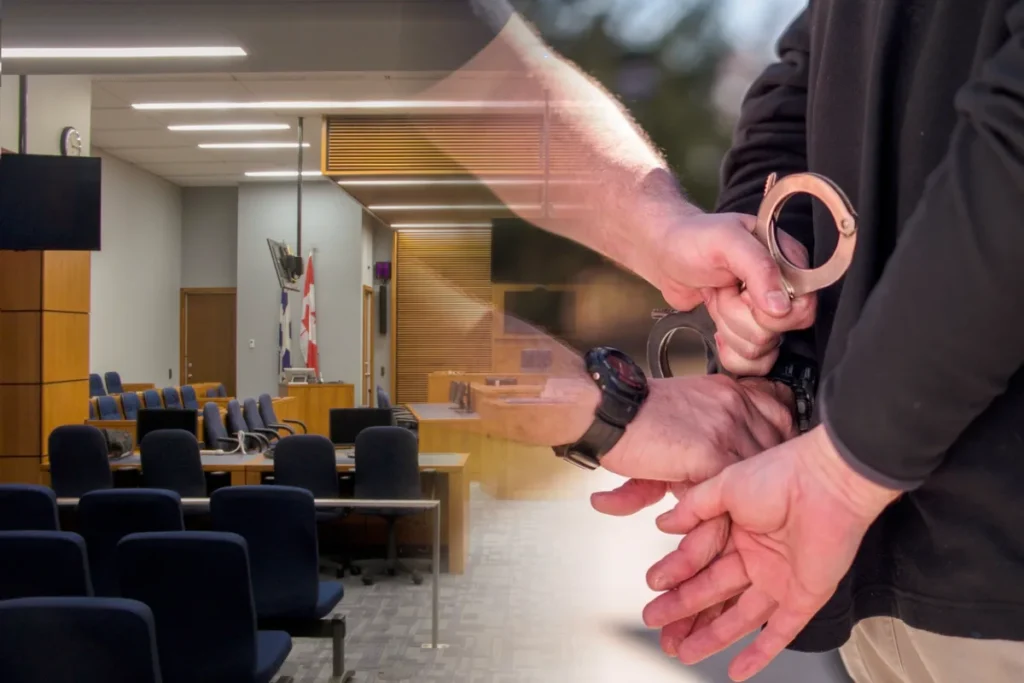
Impaired Driving: Charges, Penalties and Defence
Impaired driving or a blood alcohol concentration of 0.08 or more: two distinct offences, with minimum fines and SAAQ sanctions.
Impaired Driving: Charges, Penalties and Defence Read more
Impaired driving or a blood alcohol concentration of 0.08 or more: two distinct offences, with minimum fines and SAAQ sanctions.
Impaired Driving: Charges, Penalties and Defence Read more
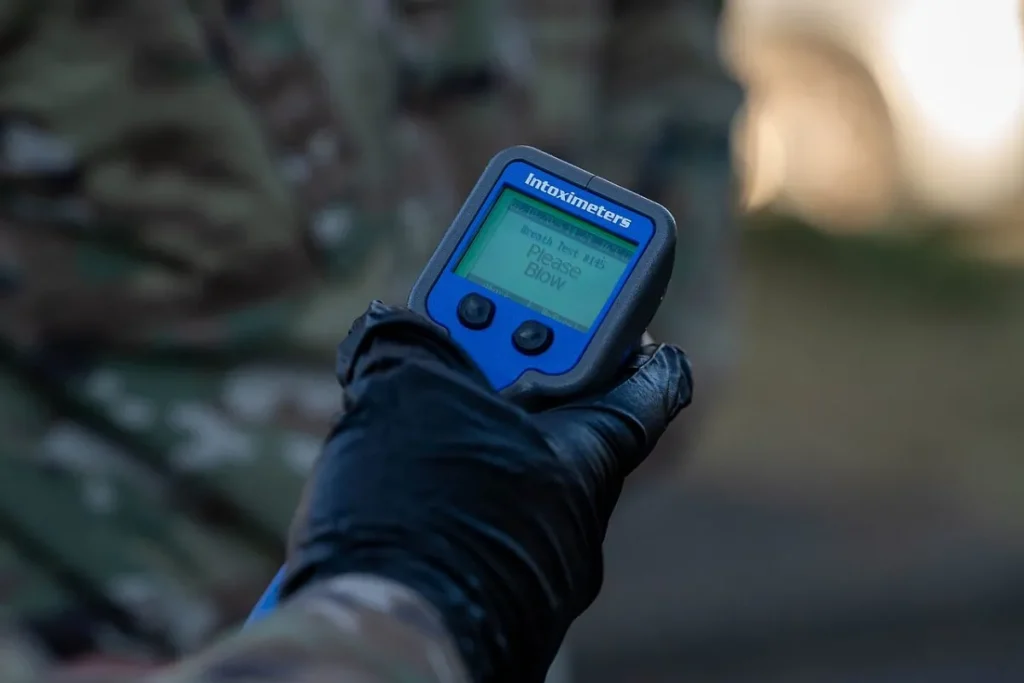
Since 2018, having a blood alcohol concentration of 0.08 or more within two hours of driving is an offence. A defence exists if you drank after driving.
Impaired Driving: The Two-Hour Rule and Your Defences Read more

In Quebec, driving with a detectable amount of cannabis or another drug in your saliva is prohibited and results in an immediate suspension.
Drug-Impaired Driving: Zero Tolerance in Quebec Read more
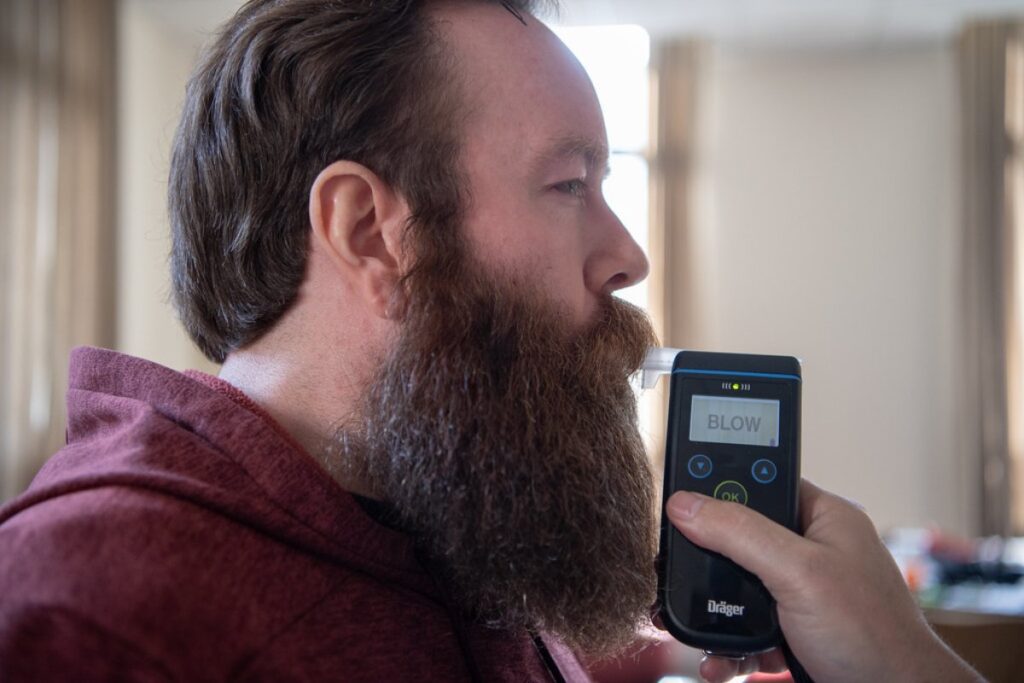
Consequence to Refusal or failure to comply with a demand to blow into an approved screening device (ASD) Refusal or
Refusal or failure to comply with a demand to blow into an approved screening device (ASD) Read more

An arrest for impaired driving opens two separate files: the criminal file in court and the driving record file with the SAAQ.
Impaired Driving: Licence Suspension and Vehicle Seizure Read more
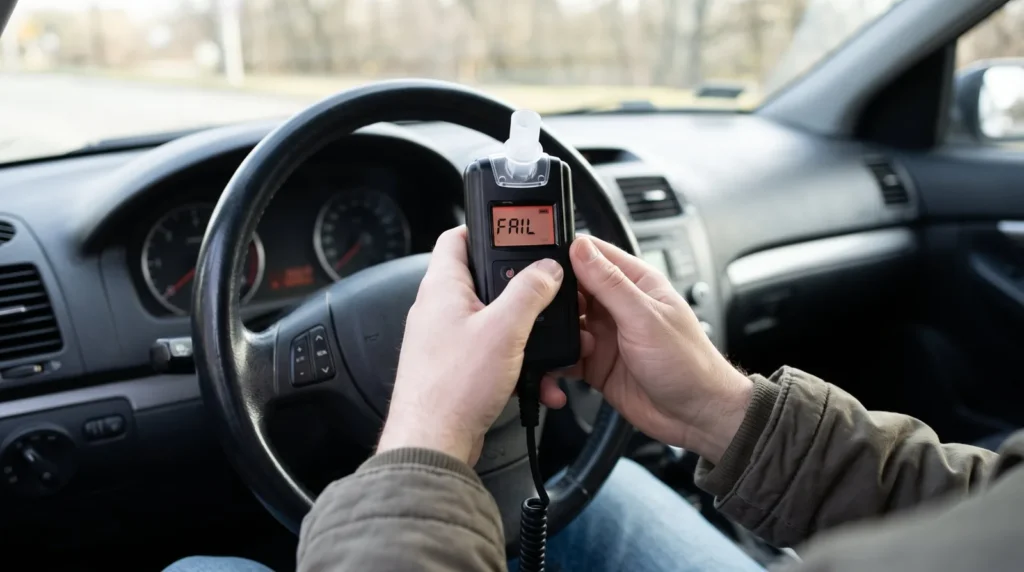
In Quebec, a second conviction for impaired driving within 10 years results in a requirement to drive with an ignition interlock device for life.
Impaired Driving: Lifetime Ignition Interlock Device After a Repeat Offence Read more

Dangerous driving under the Criminal Code requires a marked departure from the conduct of a reasonable person. It is distinct from the statement of offence under the Code de la sécurité routière.
Dangerous Driving Under the Criminal Code: What You Need to Know Read more
Criminal charges Facing criminal charges and looking for a lawyer for your defence? Our lawyers can help you. In addition
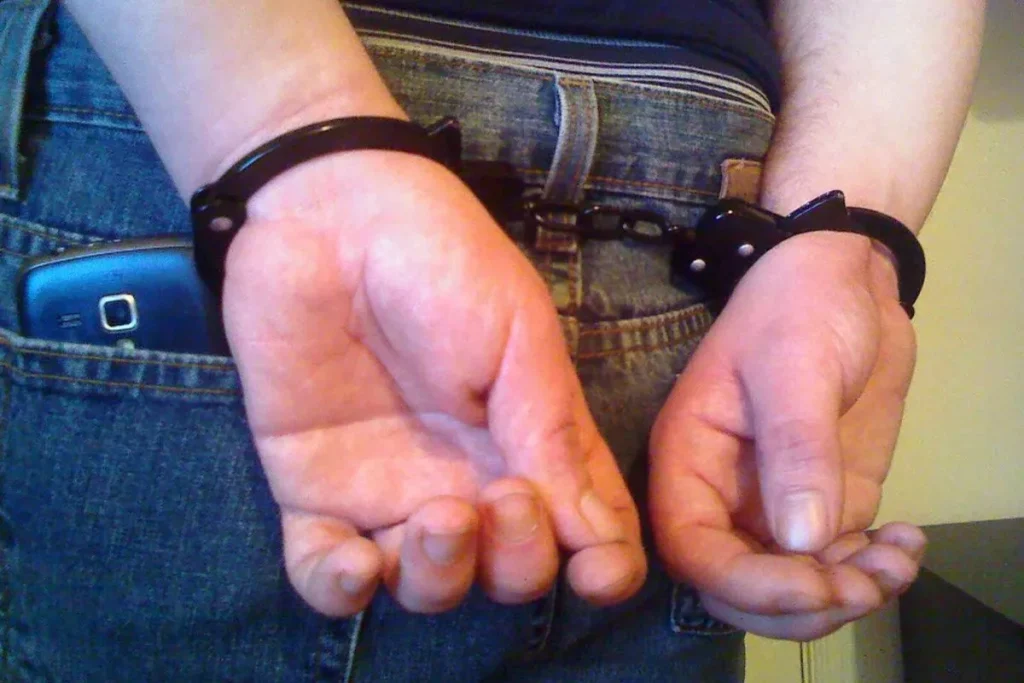
Using force against someone without their consent constitutes assault. The penalty varies depending on the weapon used and the injuries caused.
Assault: Common, Aggravated and with a Weapon Read more

Uttering a threat of death or bodily harm, in person or by message, is an offence. Context is decisive for the defence.
Uttering Threats Charge (Section 264.1 of the Criminal Code) Read more